

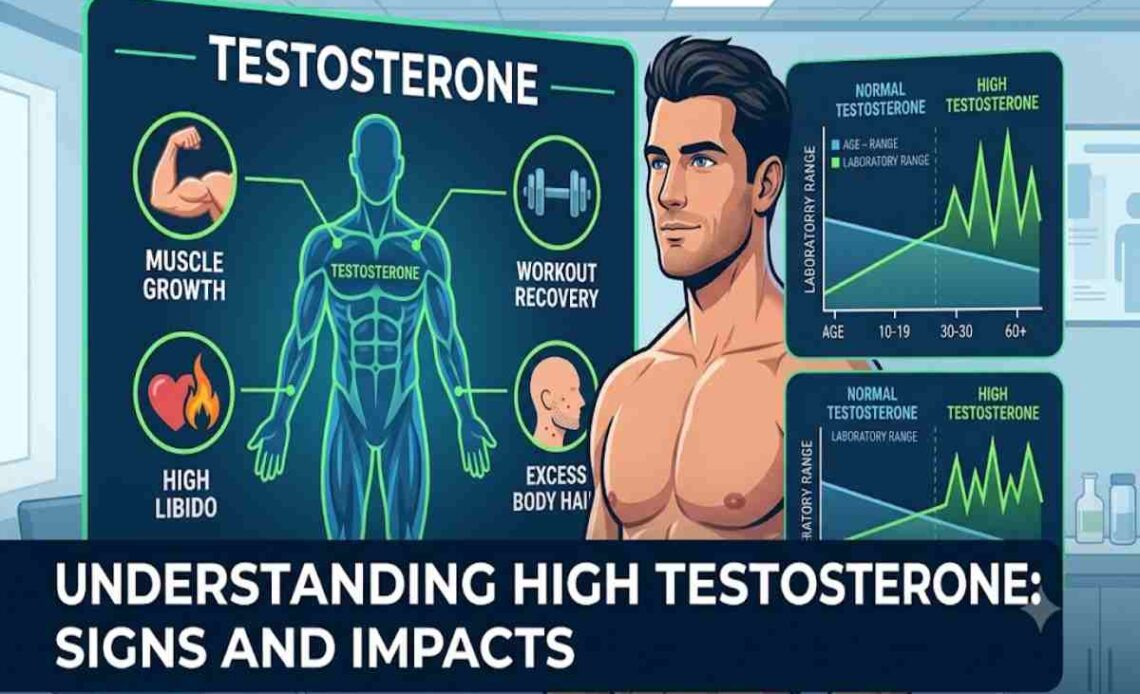
Signs of High Testosterone in a Man
Signs of High Testosterone in a Man is the primary male sex hormone responsible for muscle growth, bone strength, libido, sperm production, mood, and many other bodily functions. While low testosterone often receives more attention, high testosterone can also affect health. However, naturally high testosterone is relatively uncommon in healthy adult men. In many cases, unusually high levels are linked to medications, anabolic steroid use, hormone-producing tumors, or certain medical conditions.
If you are familiar with the signs of high testosterone in men, then you will be able to know exactly when the problem really is a serious cause for medical attention, and not something to be sorted out by rumors or advice from social networks.
Key Takeaways
| Topic | Summary |
| Normal testosterone | Varies by age and laboratory reference range |
| Naturally high testosterone | Rare and often causes few symptoms |
| Artificially elevated testosterone | More likely to produce noticeable side effects |
| Common symptoms | Acne, oily skin, mood changes, increased muscle mass, high libido |
| Diagnosis | Blood test plus medical history and physical examination |
| Treatment | Depends on the underlying cause |
What Is Testosterone?
Testosterone is produced mainly in the testicles under the control of the brain’s hypothalamus and pituitary gland. It plays a major role in:
- Muscle development
- Bone density
- Body hair growth
- Voice deepening
- Red blood cell production
- Sexual function
- Fertility
- Mood regulation
Testosterone naturally peaks during late adolescence and early adulthood before gradually declining with age.
Normal Testosterone Levels
While test results are different from lab to lab, normal levels of testosterone for adult males usually run from about 300-1,000 ng/dL.
Symptoms don’t diagnose high testosterone; blood tests, rather than physical or reported symptoms, must be used by physicians, as there is overlap among high testosterone, multiple sclerosis, premenstrual syndrome, depression, or even certain types of cancers.
What are the Signs of High Testosterone in a Man
To identify what that might look like, you need to observe for a consistent set of issues in a man. In some individuals, a few of these will occur, but in others, quite a variety.
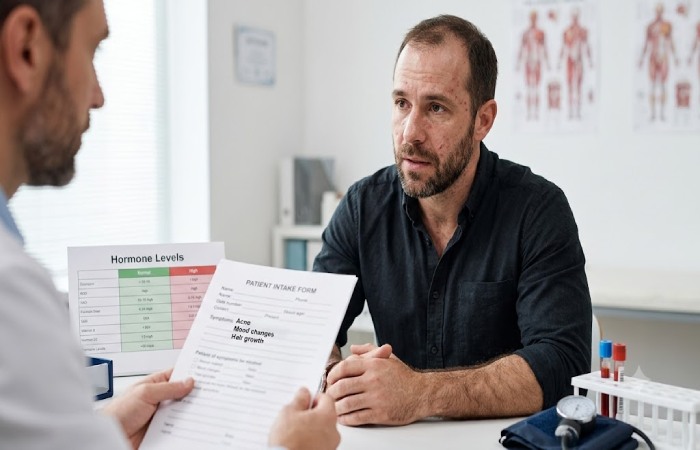
1. Persistent Acne
One of the earliest signs is increased oil production in the skin.
Symptoms include:
- Frequent facial acne
- Back acne
- Chest acne
- Oily skin
- Enlarged pores
High androgen levels stimulate sebaceous glands, making acne more likely.
2. Increased Muscle Mass
Testosterone supports protein synthesis and muscle development.
Men with elevated testosterone may notice:
- Faster muscle growth
- Improved workout recovery
- Increased strength
- Leaner body composition
However, dramatic muscle gains often suggest anabolic steroid use rather than naturally high testosterone.
3. High Sex Drive
Testosterone strongly influences libido.
Possible symptoms include:
- Increased sexual thoughts
- Higher sexual desire
- More frequent spontaneous erections
- Increased sexual activity
A high libido alone does not necessarily indicate abnormally high testosterone.
4. Mood Changes
Hormonal imbalance may affect emotional regulation.
Some individuals report:
- Irritability
- Aggression
- Short temper
- Impulsiveness
- Restlessness
Research suggests these changes are more common with supraphysiological testosterone levels, such as those seen with anabolic steroid misuse.
5. Excess Body Hair
Elevated androgen activity may increase hair growth on the:
- Chest
- Back
- Arms
- Legs
- Face
Genetics also plays a major role in body hair patterns.
6. Male Pattern Baldness
In an ironic twist of fate, excessive androgen production-specifically of the testosterone derivative hormone DHT-can promote loss of hair growth in susceptible males.
Common signs include:
- Receding hairline
- Thinning crown
- Progressive baldness
7. Increased Red Blood Cell Count
High testosterone stimulates red blood cell production.
This may lead to:
- Headaches
- Facial redness
- Elevated blood pressure
- Increased blood viscosity
Doctors monitor this especially in men receiving testosterone replacement therapy.
8. Sleep Problems
Some men experience:
- Poor sleep quality
- Difficulty falling asleep
- Loud snoring
- Worsening sleep apnea
Sleep disturbances may also contribute to hormone imbalance.
9. Elevated Blood Pressure
Although not universal, prolonged elevated testosterone—especially from supplementation—may contribute to cardiovascular changes.
Possible symptoms include:
- Headaches
- Dizziness
- Nosebleeds
- High blood pressure readings
10. Fertility Problems
Unexpectedly, very high testosterone—particularly from external testosterone products—can reduce sperm production.
Possible signs include:
- Reduced fertility
- Smaller testicles
- Lower sperm count
- Difficulty conceiving
Common Symptoms at a Glance
| Symptom | Common | Needs Medical Evaluation |
| Acne | ✔ | If severe |
| Oily skin | ✔ | Rarely |
| Increased muscle mass | ✔ | If rapid |
| High libido | ✔ | Persistent changes |
| Irritability | ✔ | Severe mood changes |
| Hair loss | ✔ | Progressive |
| High blood pressure | Possible | Yes |
| Fertility issues | Possible | Yes |
What Causes High Testosterone?
Several factors can raise testosterone levels.
| Cause | Description |
| Genetics | Naturally higher hormone production |
| Testosterone therapy | Prescription replacement treatment |
| Anabolic steroids | Artificial hormone use |
| Hormone-producing tumors | Rare adrenal or testicular tumors |
| Congenital adrenal disorders | Increased androgen production |
| Laboratory variation | Temporary fluctuations |
Natural high testosterone without symptoms is usually not harmful.
How Doctors Diagnose High Testosterone
Diagnosis typically involves:
Medical History
The doctor asks about:
- Medications
- Supplements
- Steroid use
- Family history
- Symptoms
Physical Examination
They may assess:
- Acne
- Hair growth
- Blood pressure
- Testicular size
- Body composition
Blood Tests
Testing may include:
- Total testosterone
- Free testosterone
- SHBG
- LH
- FSH
- Estradiol
- DHEA-S
- Complete blood count (CBC)
Morning blood samples are usually preferred because testosterone levels fluctuate throughout the day.
Health Risks of Very High Testosterone
Untreated or artificially elevated testosterone may increase the risk of:
- High blood pressure
- Elevated red blood cell count
- Liver problems (especially with oral anabolic steroids)
- Heart disease
- Mood disorders
- Infertility
- Sleep apnea
- Cholesterol abnormalities
The level of risk depends on the cause, the degree of hormone elevation, and overall health.
Can Lifestyle Increase Testosterone Naturally?
Healthy habits can support normal hormone production but are unlikely to push testosterone into abnormally high ranges.
Helpful habits include:
- Resistance training
- Maintaining a healthy weight
- Eating adequate protein and healthy fats
- Getting sufficient sleep
- Managing stress
- Limiting excessive alcohol intake
These approaches aim to optimize—not excessively increase—testosterone.
When Should You See a Doctor?
Seek medical advice if you notice:
- Rapid muscle growth without explanation
- Severe acne
- Mood changes affecting daily life
- High blood pressure
- Fertility problems
- Testicular changes
- Symptoms after starting testosterone therapy
Early evaluation can help identify the underlying cause and guide appropriate treatment.
Final Thoughts
Recognizing the signs of high testosterone in a man involves looking beyond stereotypes. While healthy testosterone is essential for strength, energy, and sexual health, excessively high levels—particularly from supplements or anabolic steroids—may lead to acne, mood changes, fertility problems, cardiovascular risks, and other complications.
Suppose a man has multiple signs of high testosterone; getting tested for it and seeing a doctor is better than doing so much reading that you diagnose yourself or change a hormone treatment on your own. Blood work and a physical are best for figuring out what’s going on with hormones.